Wood burning stoves are more popular in the UK than at any point in the last 50 years. With energy bills at record highs and a growing desire for homes that feel warm in every sense, over 10% of UK homes now have a stove installed — and that number keeps rising. But buying and installing a wood burning stove involves more decisions, regulations and costs than most people expect. This guide covers everything you need to know, from choosing the right stove to understanding UK regulations, hearth requirements and running costs.
How a Wood Burning Stove Works
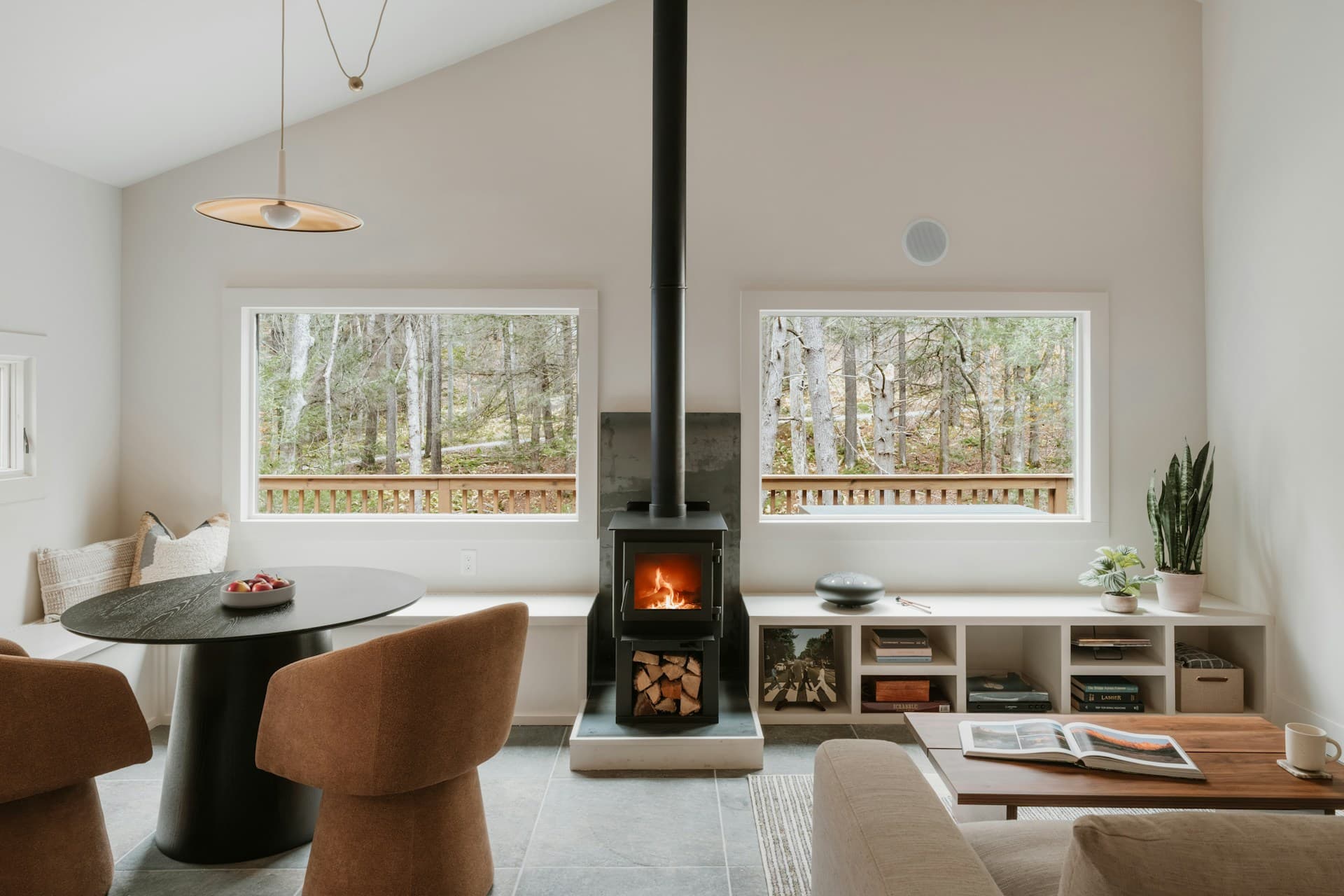
A wood burning stove is a closed-combustion appliance — unlike an open fireplace, the fire burns inside a sealed firebox with controlled airflow. This control is what makes modern stoves so efficient. Air enters through adjustable vents, the fuel burns completely, and heat radiates through the cast iron or steel body into the room. Combustion gases exit via a flue pipe connected to your chimney.
The efficiency advantage over an open fire is significant. An open fireplace typically operates at around 20–30% efficiency — most of the heat goes straight up the chimney. A modern Ecodesign stove achieves 80% or higher, meaning the vast majority of the wood’s energy heats your room rather than the sky.
Types of Wood Burning Stove
Understanding the different types available is the starting point for any purchase decision.
Wood-Only Stoves
Designed exclusively for burning dry wood logs. Generally simpler in design, with a single air control. Wood-only stoves often achieve the highest efficiency ratings and the cleanest burn. They’re the right choice if you have reliable access to good quality dry wood and want the best possible performance.
Multi-Fuel Stoves
Can burn both wood and smokeless solid fuels such as anthracite or manufactured briquettes. Multi-fuel stoves have a raised grate to allow air underneath the fuel, whereas wood burns better on a flat bed of ash. The flexibility is useful if you want the option of smokeless fuel — particularly relevant in smoke control zones where burning wood may be restricted to approved exempt appliances.
Inset Stoves
Designed to fit inside an existing fireplace opening. Inset stoves make efficient use of space and suit rooms where a projecting stove would feel too dominant. The trade-off is that they typically radiate less heat into the room than freestanding models, as much of the body is recessed into the chimney breast.
Freestanding Stoves
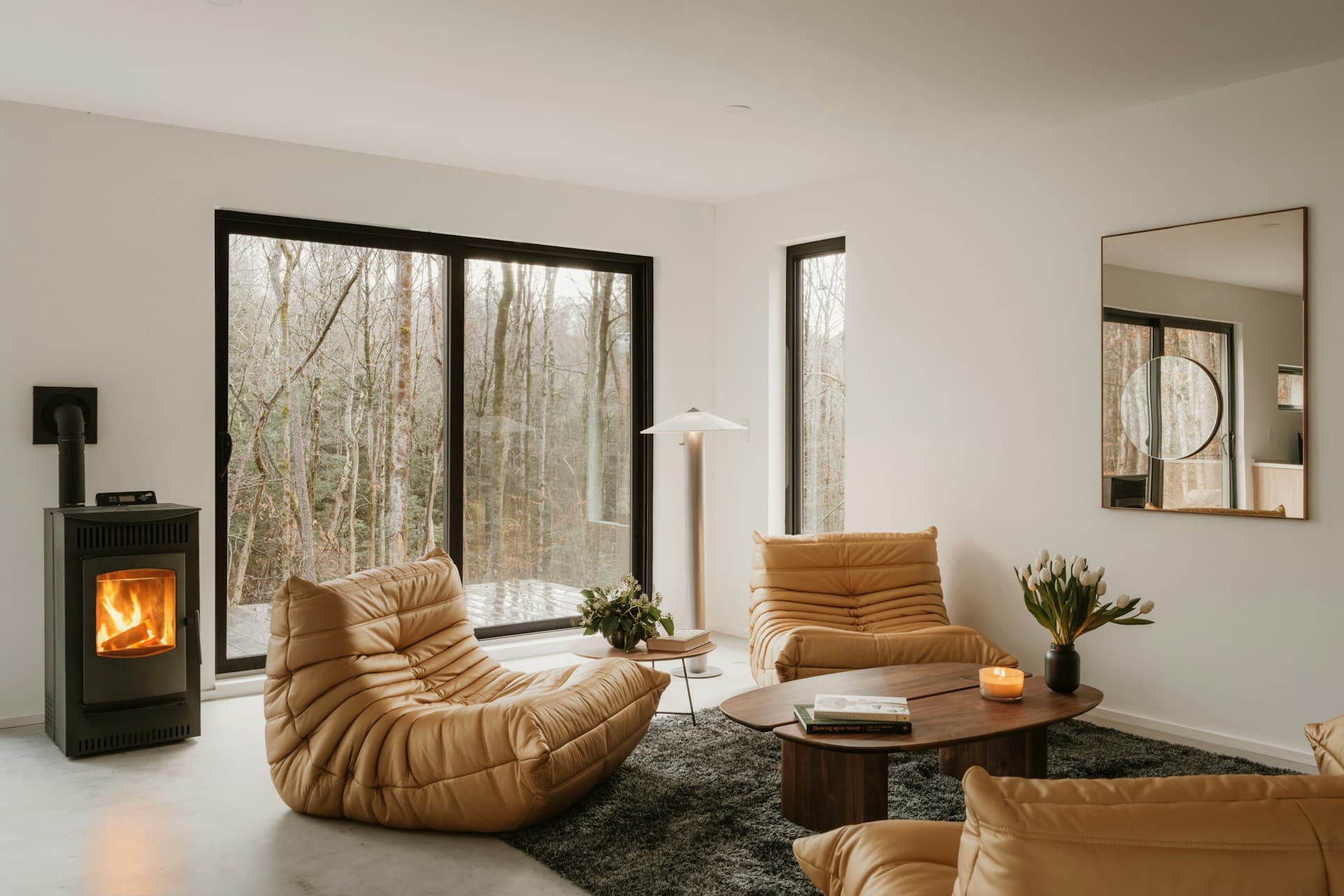
The classic choice. A freestanding stove sits in front of the fireplace opening or against a wall with a flue pipe running into the chimney. They radiate heat from all sides, look striking as a focal point, and offer the widest range of sizes, styles and outputs available.
Ecodesign 2022 — What the Regulations Mean for You
Since January 2022, all new wood burning stoves sold in the UK must meet Ecodesign standards. This is the most significant regulatory change the industry has seen, and it’s worth understanding properly rather than relying on headlines.
Ecodesign sets mandatory limits on particulate emissions and minimum efficiency thresholds. In practical terms, an Ecodesign stove emits up to 80% fewer particulates than an older stove or open fire when burning correctly. The efficiency floor is typically 75% or higher.
Crucially, the regulations only apply to new stoves being sold. If you already own a stove that predates 2022, there is no legal requirement to replace it. The rules are aimed at the point of sale, not existing appliances. If you’re buying new, look for the Ecodesign Ready logo — every stove currently on sale in the UK should carry it.
Choosing the Right Size — kW Output Explained
Output is measured in kilowatts (kW) and it’s one of the most important specifications to get right. Too small and the stove won’t heat the room adequately. Too large and you’ll be constantly running it at low output — which creates more emissions, accelerates flue deposits and reduces efficiency.
A rough guide for modern, well-insulated UK homes:
- 4–5 kW — small room up to 30 cubic metres
- 5–7 kW — medium room 30–50 cubic metres
- 7–10 kW — large room or open plan 50–80 cubic metres
- 10–12 kW+ — very large spaces or older, less insulated properties
To calculate your room’s cubic metres, multiply the length × width × height. For older properties with solid walls and draughty windows, apply a multiplier of around 1.5 to account for heat loss. Many stove retailers offer free sizing advice — it’s worth using it before committing to a model.
Hearth Requirements
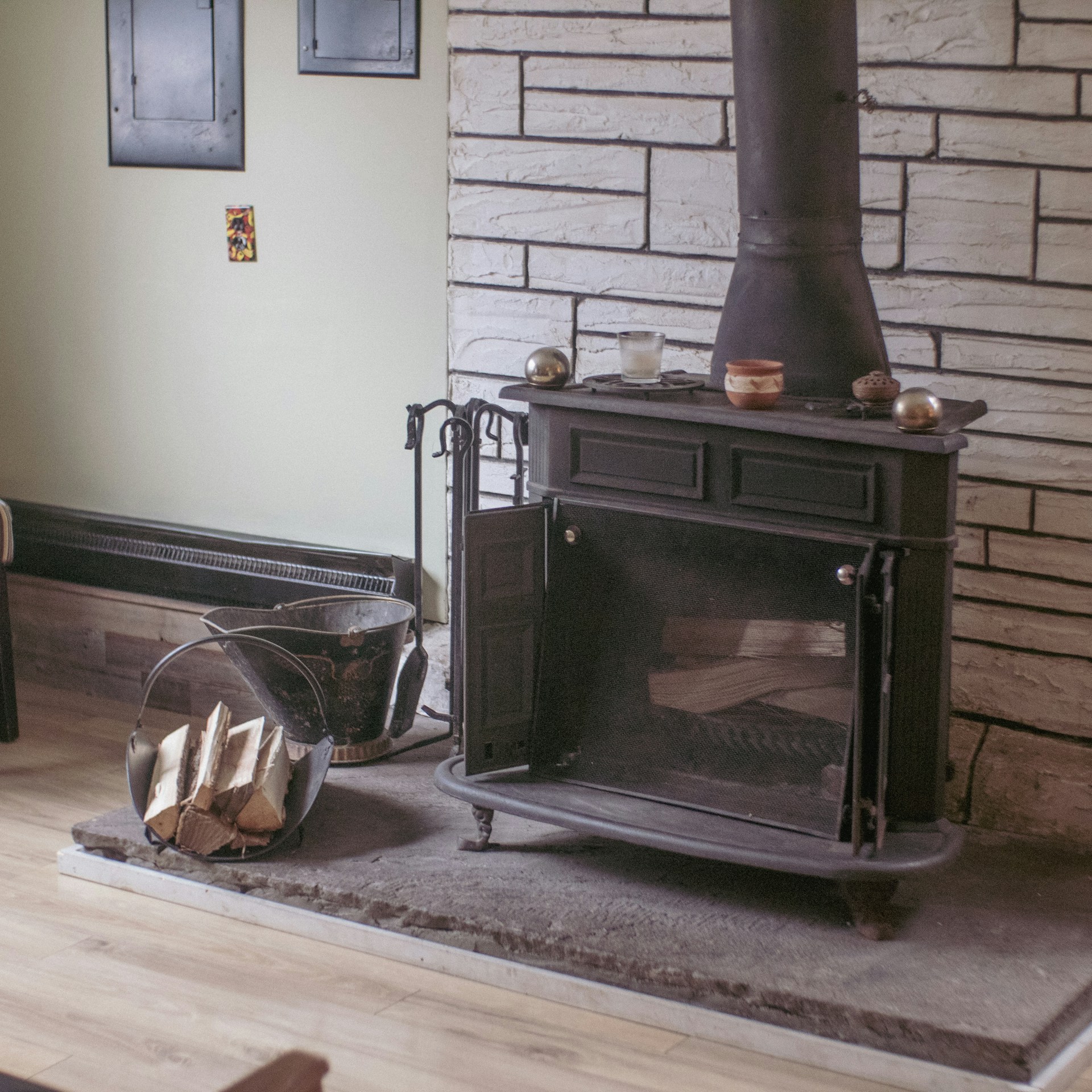
A hearth isn’t optional — it’s a legal requirement under UK Building Regulations. Its purpose is to protect the floor from heat and embers. Getting the hearth right matters both for safety and to satisfy your installation certificate.
The standard requirements for a freestanding stove are:
- Minimum 840mm front projection from the face of the fireplace opening
- Minimum 150mm either side of the stove
- At least 12mm thick if made from a non-combustible material with low thermal conductivity (such as natural slate)
- 125mm thick if the material has higher thermal conductivity
Natural slate is the most popular hearth material in the UK, and for good reason. It’s durable, heat-resistant, non-combustible, and looks excellent alongside both traditional and contemporary stoves. It can be cut to any size or shape, is available in a range of finishes, and holds up extremely well over decades of use.
HETAS Installation — Why It Matters
HETAS (Heating Equipment Testing and Approval Scheme) is the UK’s official body for solid fuel heating. When a HETAS-registered engineer installs your stove, they issue a certificate of compliance confirming the installation meets Building Regulations. This replaces the need to notify your local Building Control authority separately.
Why does this matter in practice? Your home insurance may be invalidated if a stove is installed without proper certification. When you come to sell your home, solicitors will ask for the installation certificate. And perhaps most importantly, a properly installed stove is a safe stove — flue fires, carbon monoxide incidents and structural damage from improper installations are all real risks that proper certification helps prevent.
You don’t legally have to use a HETAS installer, but if you don’t, you must notify your local Building Control department before work begins, pay for an inspection and incur delays. In practice, using a HETAS-registered installer is almost always the faster, cheaper and safer route.
Smoke Control Zones — Are You Affected?
Much of urban England is designated a Smoke Control Area — this includes most of London and large parts of other major cities. If you live in a smoke control zone, you cannot burn wood in a standard stove without specific exemption. Burning non-approved fuel in a smoke control area carries a fine of up to £1,000.
There are two ways to burn wood legally in a smoke control area. The first is to use a DEFRA-exempt appliance — a stove specifically tested and approved for use in smoke control zones. The second is to burn only authorised smokeless fuels in any appliance. Most new Ecodesign stoves are also DEFRA exempt, but check the specific model before purchasing.
You can check whether your address falls within a smoke control zone via your local council’s website, or use the government’s postcode checker at smokecontrol.defra.gov.uk.
Running Costs — Wood vs Gas vs Heat Pump
One of the main drivers of the stove boom is economics. With gas prices having more than doubled since 2021, wood has become a genuinely competitive heating fuel — particularly for people with access to locally sourced or self-cut logs.
Ready-to-burn kiln-dried hardwood logs typically cost £100–£180 per cubic metre delivered. A 5kW stove burning for 4 hours will use roughly 2–3kg of dry hardwood, costing approximately £1.50–£3.00 depending on your supplier. Compared to running a gas fire at current rates, a well-managed stove is meaningfully cheaper for the same heat output — though the comparison shifts as gas prices fluctuate.
Heat pumps offer better long-run economics for whole-house heating, but they’re a significant upfront investment and work best in well-insulated properties. A wood burning stove complements rather than replaces a central heating system — it’s zone heating for the room you’re in, not a whole-house solution.
Maintenance — Keeping Your Stove Safe and Efficient
A wood burning stove requires regular maintenance to perform safely and efficiently. The key tasks are:
Annual Chimney Sweeping
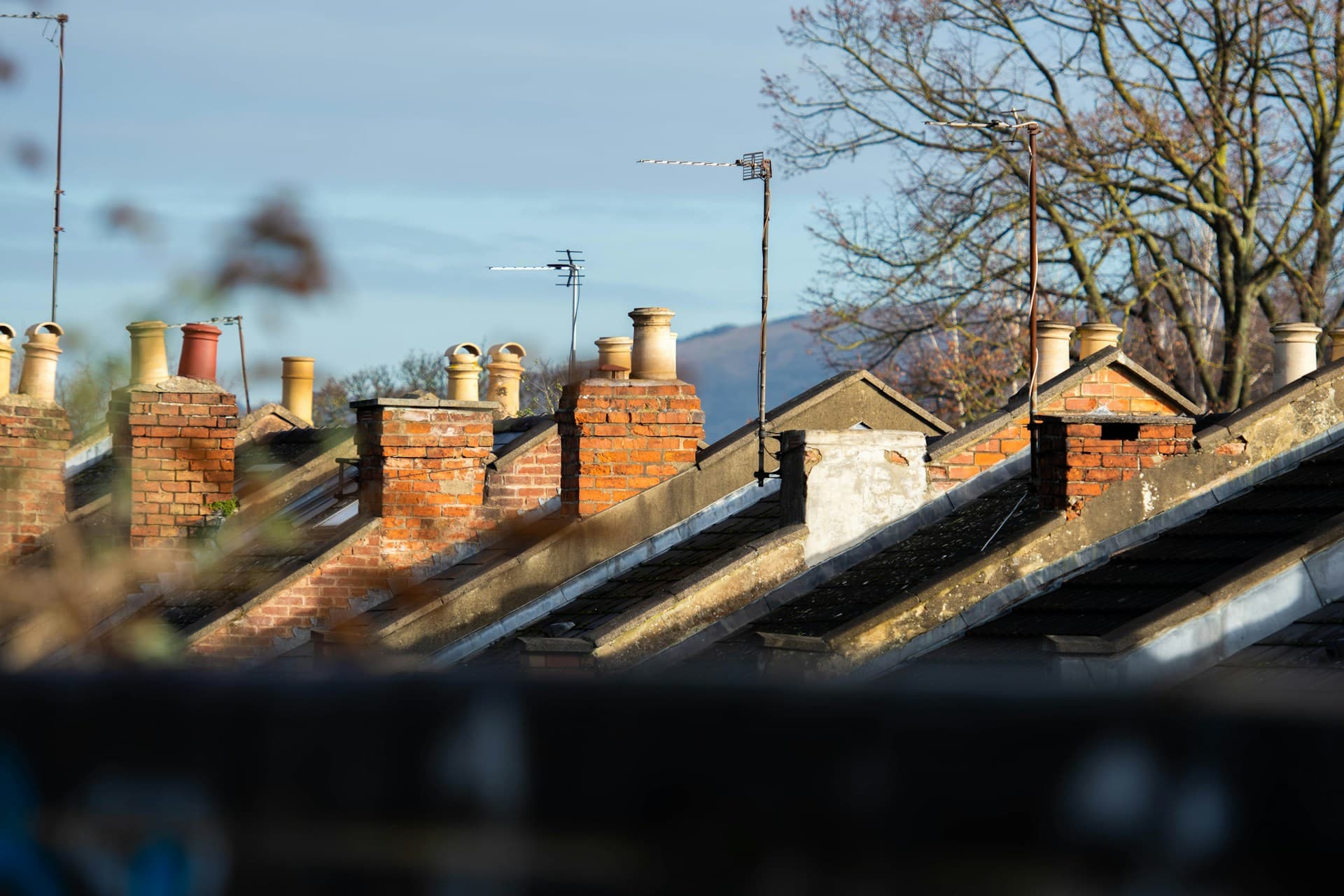
The chimney should be swept at least once a year — twice if you use the stove heavily. Creosote and tar deposits build up in the flue over time and are a fire risk. A registered chimney sweep will also check the flue liner, pot and cowl for damage. Your home insurer typically requires annual sweeping as a condition of cover.
Fuel Quality
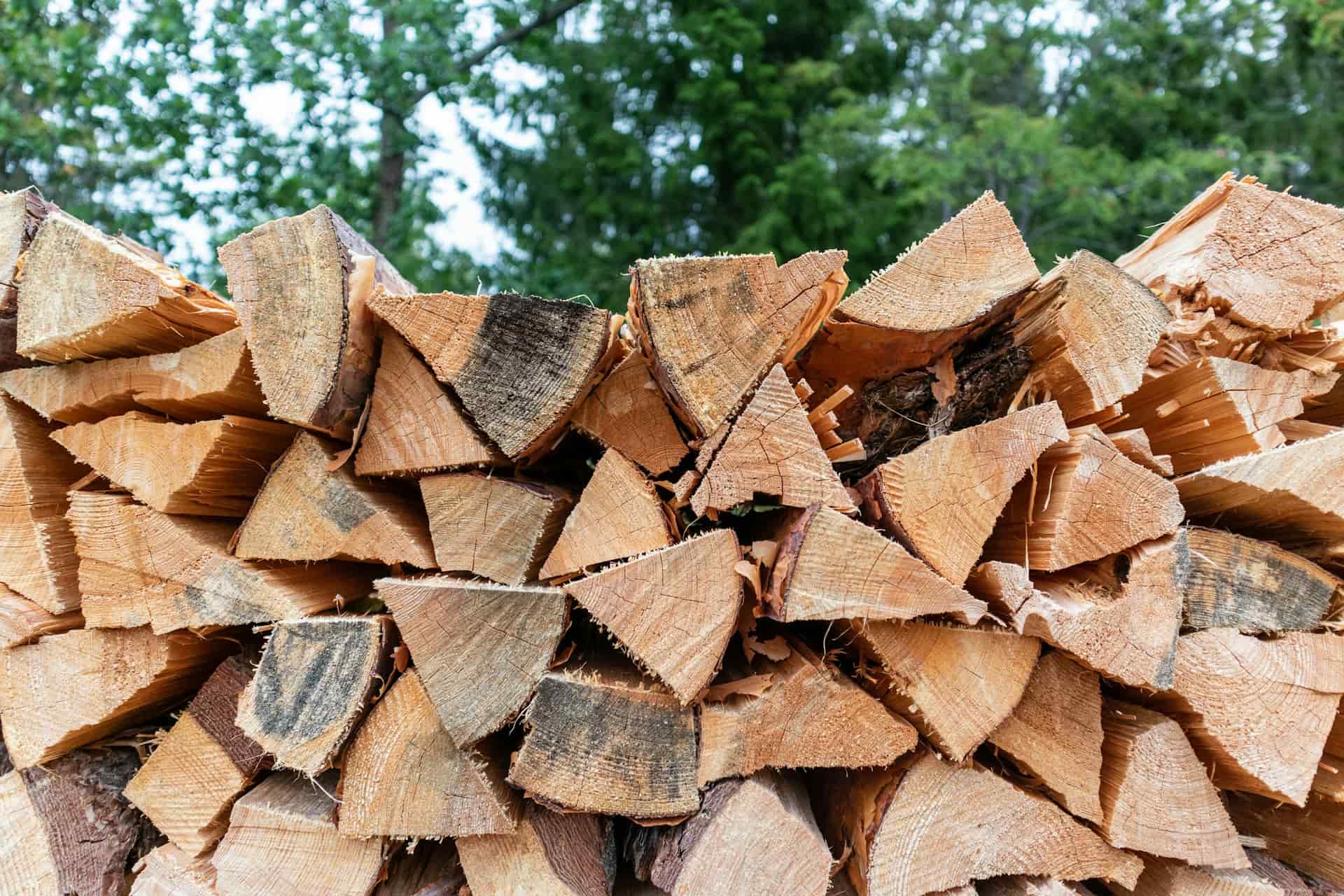
Burning wet or unseasoned wood is the single biggest cause of poor stove performance and accelerated flue deposits. Wood should have a moisture content below 20% — look for the Ready to Burn certification on any firewood you buy. Kiln-dried hardwood is the premium option; well-seasoned air-dried hardwood is an excellent and often cheaper alternative if you have the storage space and plan ahead.
Daily and Weekly Checks
Empty ash regularly — a small bed of ash is beneficial, but a build-up restricts airflow and reduces efficiency. Clean the glass with a damp cloth and specialist stove glass cleaner when cold. Check door rope seals annually — a worn rope seal lets in uncontrolled air and reduces combustion control significantly.
Frequently Asked Questions
Can I install a wood burning stove in a flat?
Possibly, but it’s complicated. You need a functional chimney or the ability to install a twin-wall flue system. In purpose-built flats, shared chimney stacks may not be usable and building management regulations often prohibit solid fuel appliances. Each situation is different — you’d need a survey from a HETAS engineer.
Do I need planning permission?
Generally no — installing a wood burning stove is considered permitted development. Exceptions include listed buildings (where listed building consent may be needed) and some conservation areas. Always check with your local planning authority if in doubt.
How long does installation take?
A standard installation by a HETAS engineer typically takes one day. If a flue liner needs fitting or significant chimney work is required, it may run to two days. Get the chimney surveyed before booking an installer — unexpected chimney problems are the most common cause of delays and additional costs.
Are wood burning stoves being banned in the UK?
No. Despite persistent media headlines, there are no current plans to ban wood burning stoves in the UK. DEFRA’s Environmental Improvement Plan explicitly states that a domestic burning ban is not being considered. The regulatory direction is toward cleaner appliances and better fuel quality — not prohibition.
Summary
A wood burning stove is a significant but rewarding investment. Get the sizing right, use a HETAS installer, choose the correct hearth material, burn only dry wood, and sweep the chimney annually — follow those principles and a good stove will serve you efficiently and safely for 20 years or more.
The rest comes down to choosing a model that suits your room, your taste and your budget. Our buying guides go deeper on specific stove recommendations, hearth materials and finding installers in your area.